
We've found 190 results
190 Country Houses in Catalonia
Are you looking to buy a country house in Catalonia? Below you'll find a selection of country houses for sale in Catalonia – including country houses for sale in the provinces of Barcelona and Girona. Request your visit today.
-
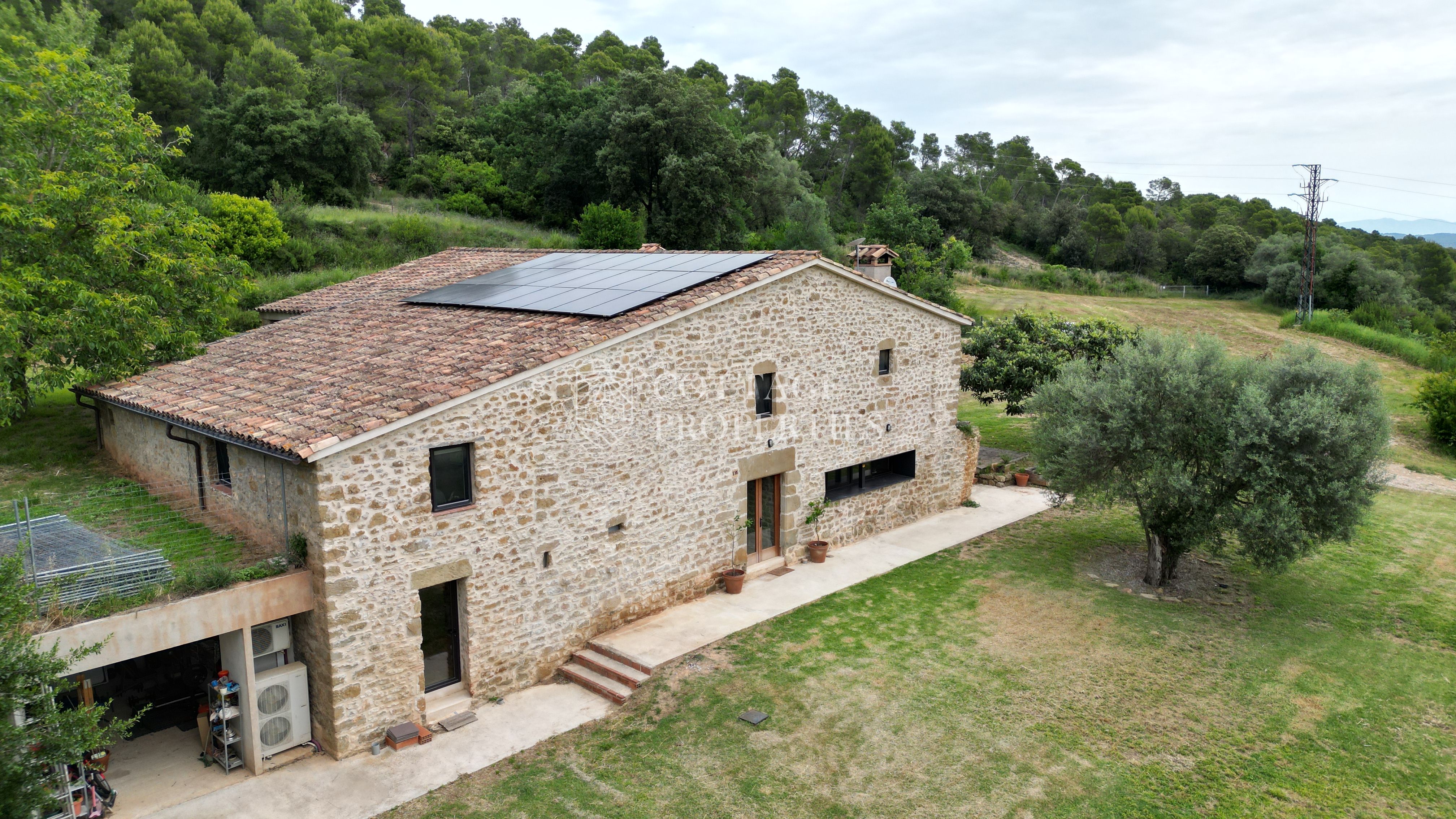 Ref 3036 1.650.000 €
Traditional Catalan farmhouse for sale in Camós, Pla de l'Estany, Girona
- 5 Beds
- 2 Baths
- 485m² Built size
- 485m² Floor size
-
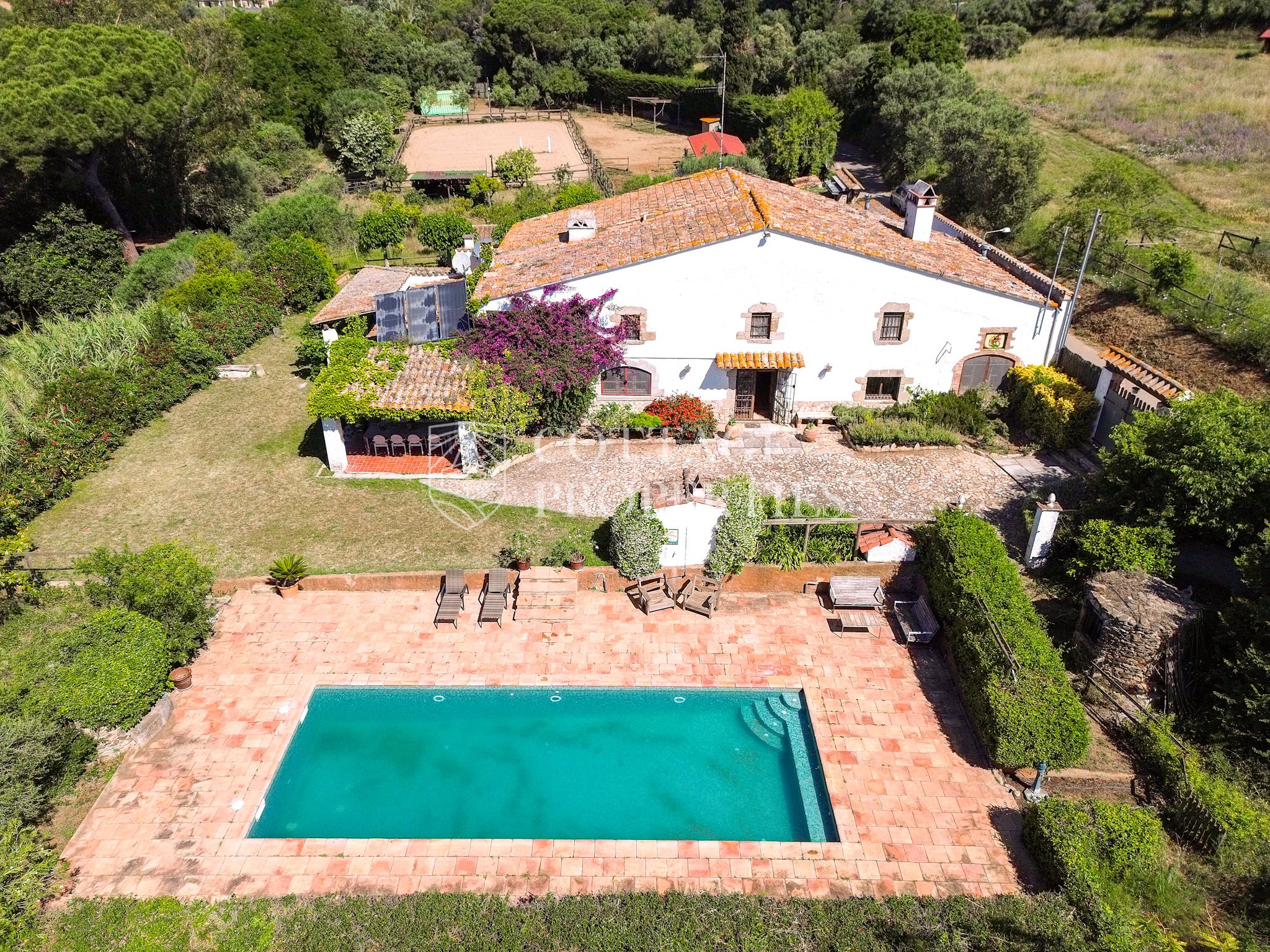 Ref 3034 1.585.000 €
Masia del siglo 1790 en venta en Vall-llobregaBaix EmpordàGirona.
- 5 Beds
- 3 Baths
- 490m² Built size
-
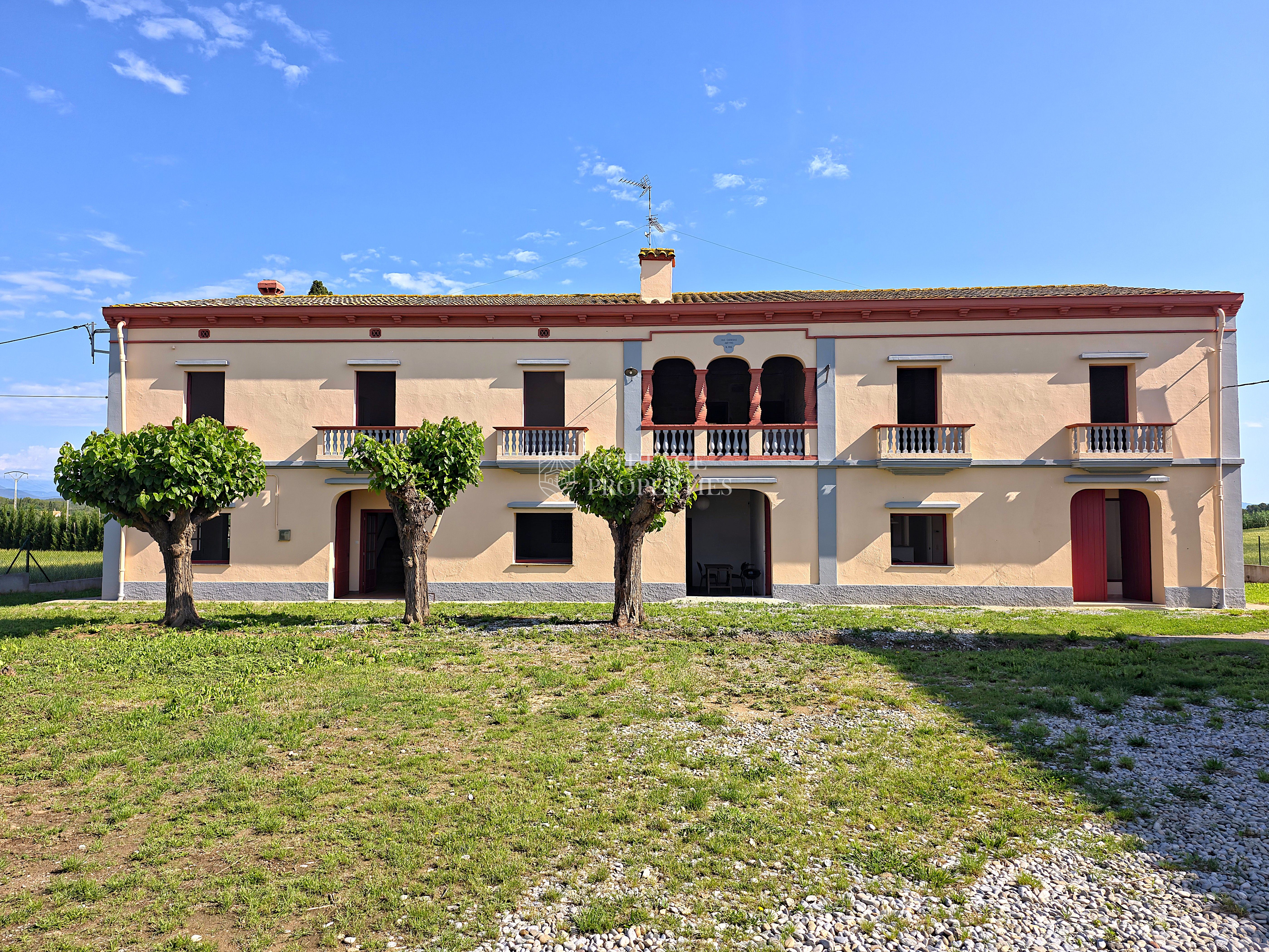 Ref 3035 1.360.000 €
Farmhouse for sale in Vilademuls, Pla de l'Estany,
- 8 Beds
- 2 Baths
- 938m² Built size
-
 In exclusive
Ref 3033 2.300.000 €
In exclusive
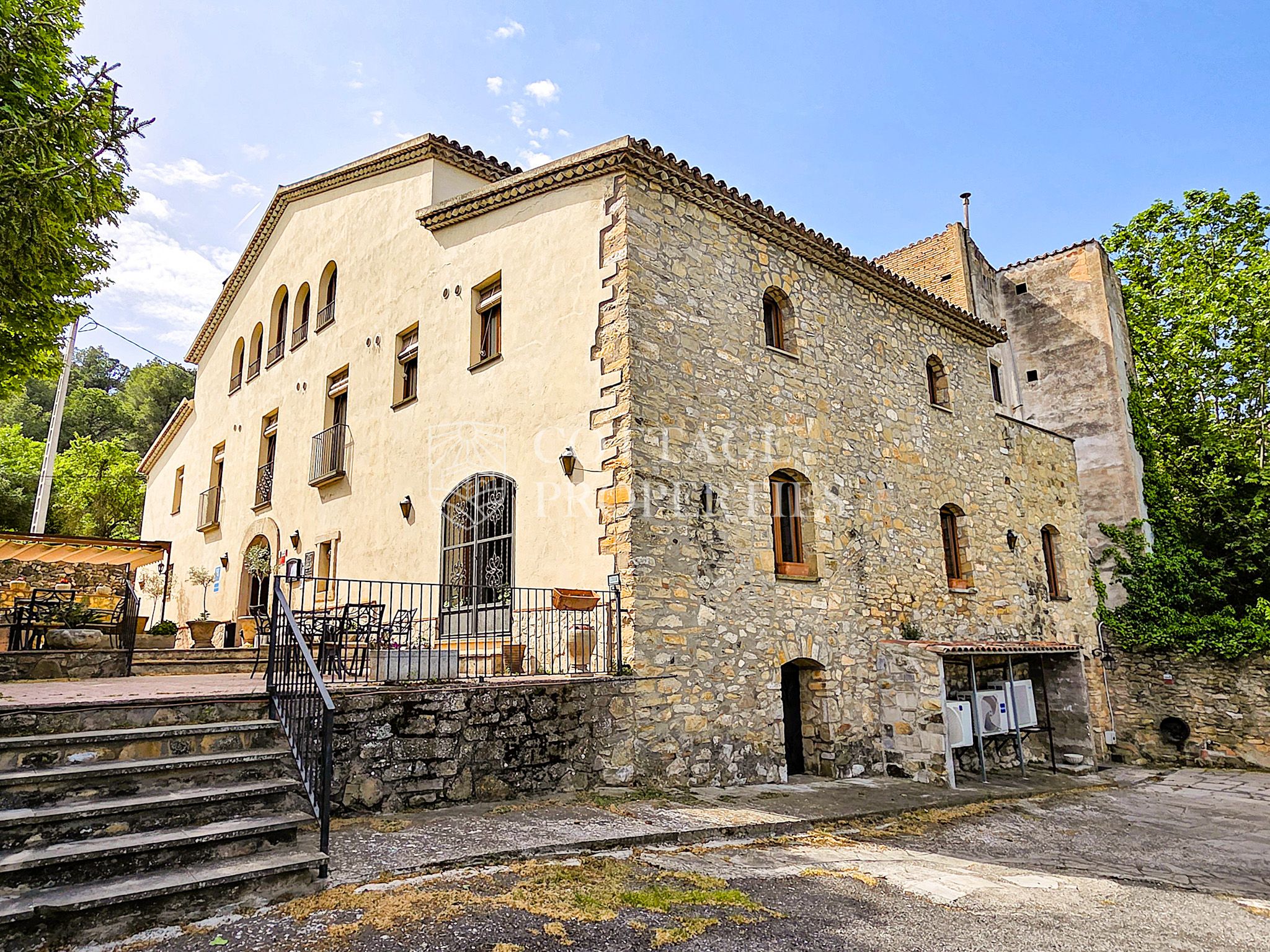
Ref 3033 2.300.000 €19th century farmhouse for sale in l'Espluga de Fr
- 14 Beds
- 14 Baths
- 370m² Built size
-
 In exclusive
Ref 3032 650.000 €
In exclusive
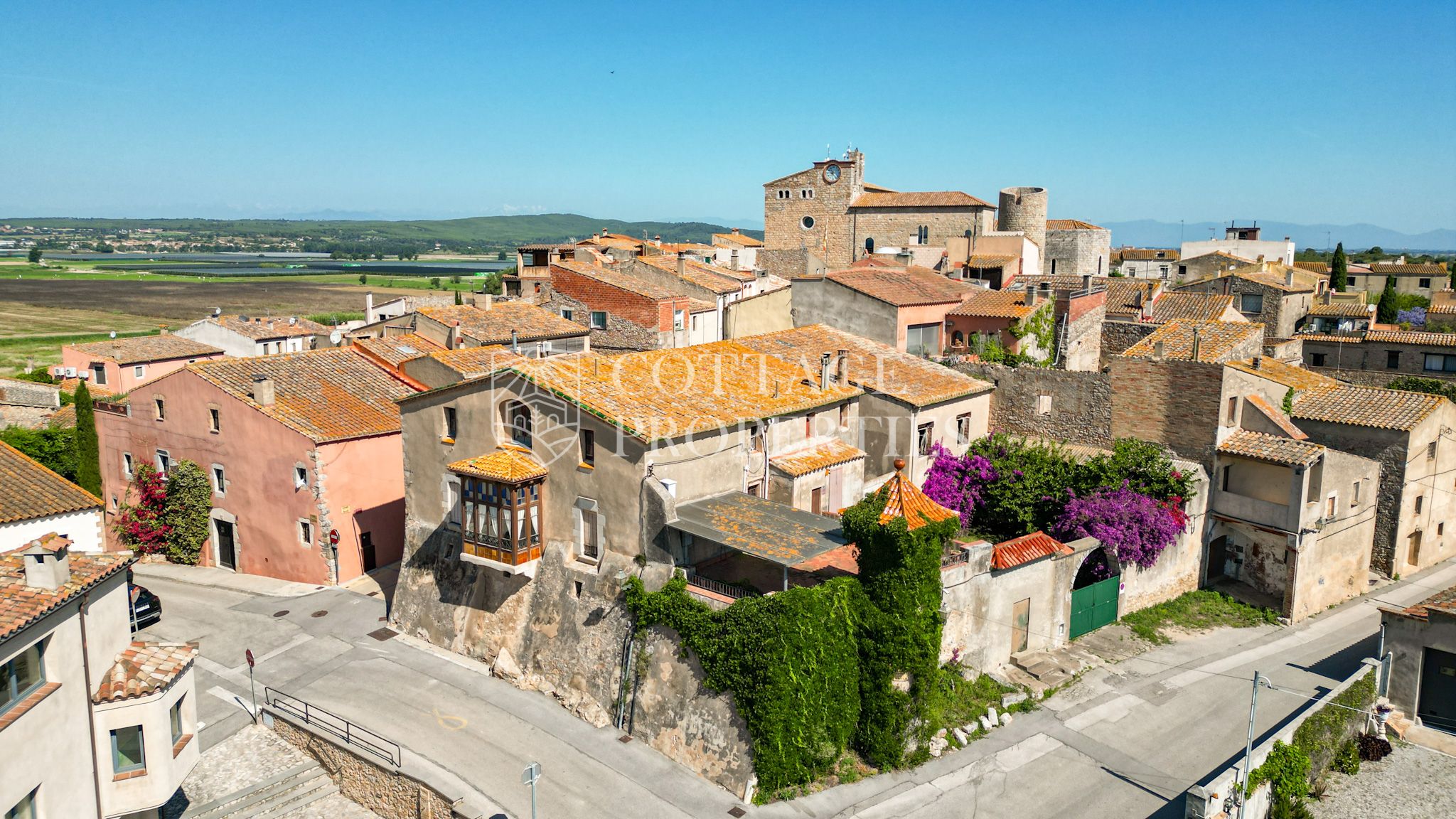
Ref 3032 650.000 €Masía histórica del siglo XX en venta en Bellcaire d'Empordà, Baix Empordà, Girona
- 8 Beds
- 3 Baths
- 1.132m² Built size
- 1.000m² Floor size
-
 In exclusive
Ref 3030 2.475.000 €
In exclusive
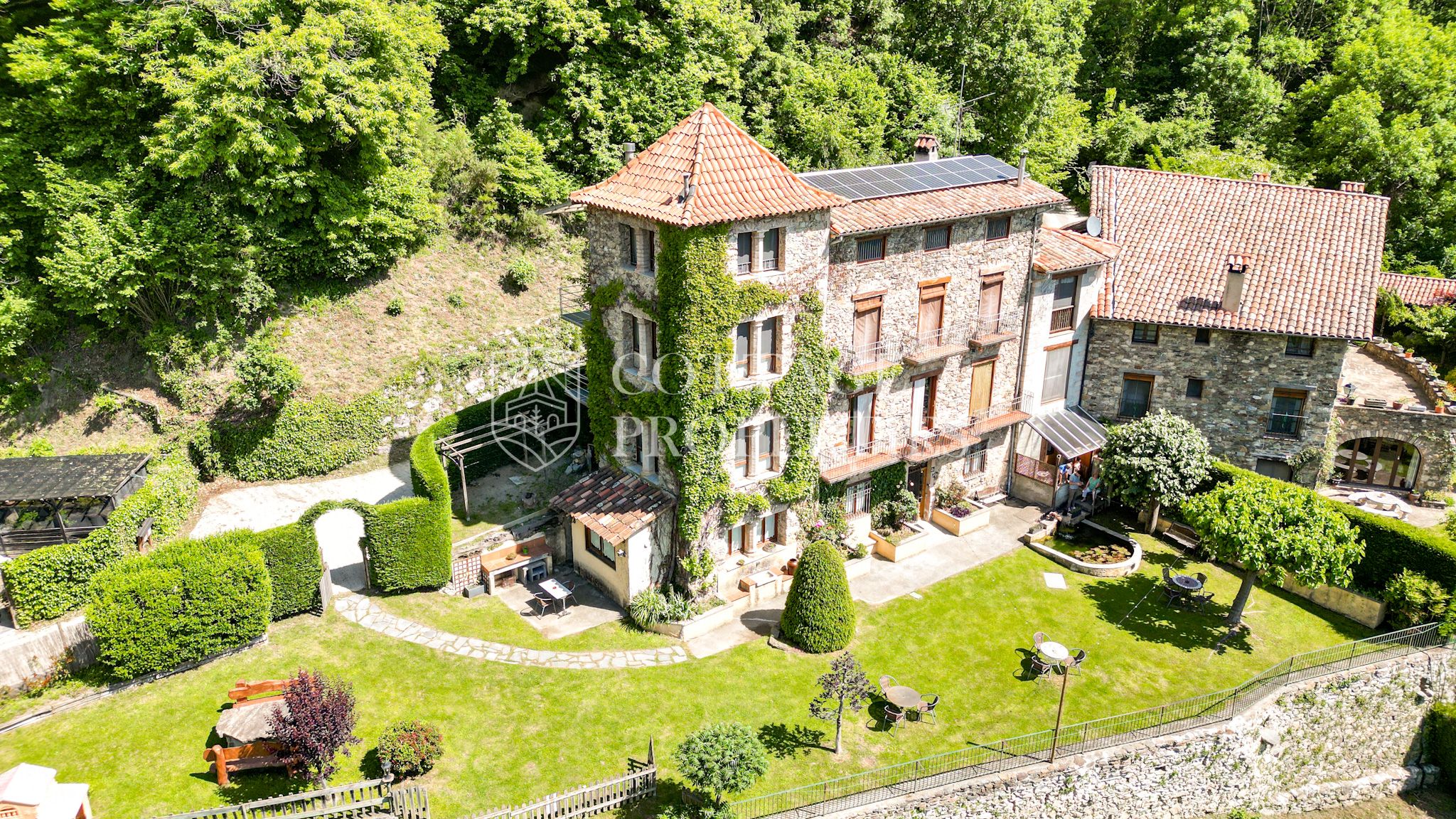
Ref 3030 2.475.000 €20th-century farmhouse with 39 hectares in Rocabruna (Camprodon), Ripollès; Girona
- 11 Beds
- 9 Baths
- 447m² Built size
-
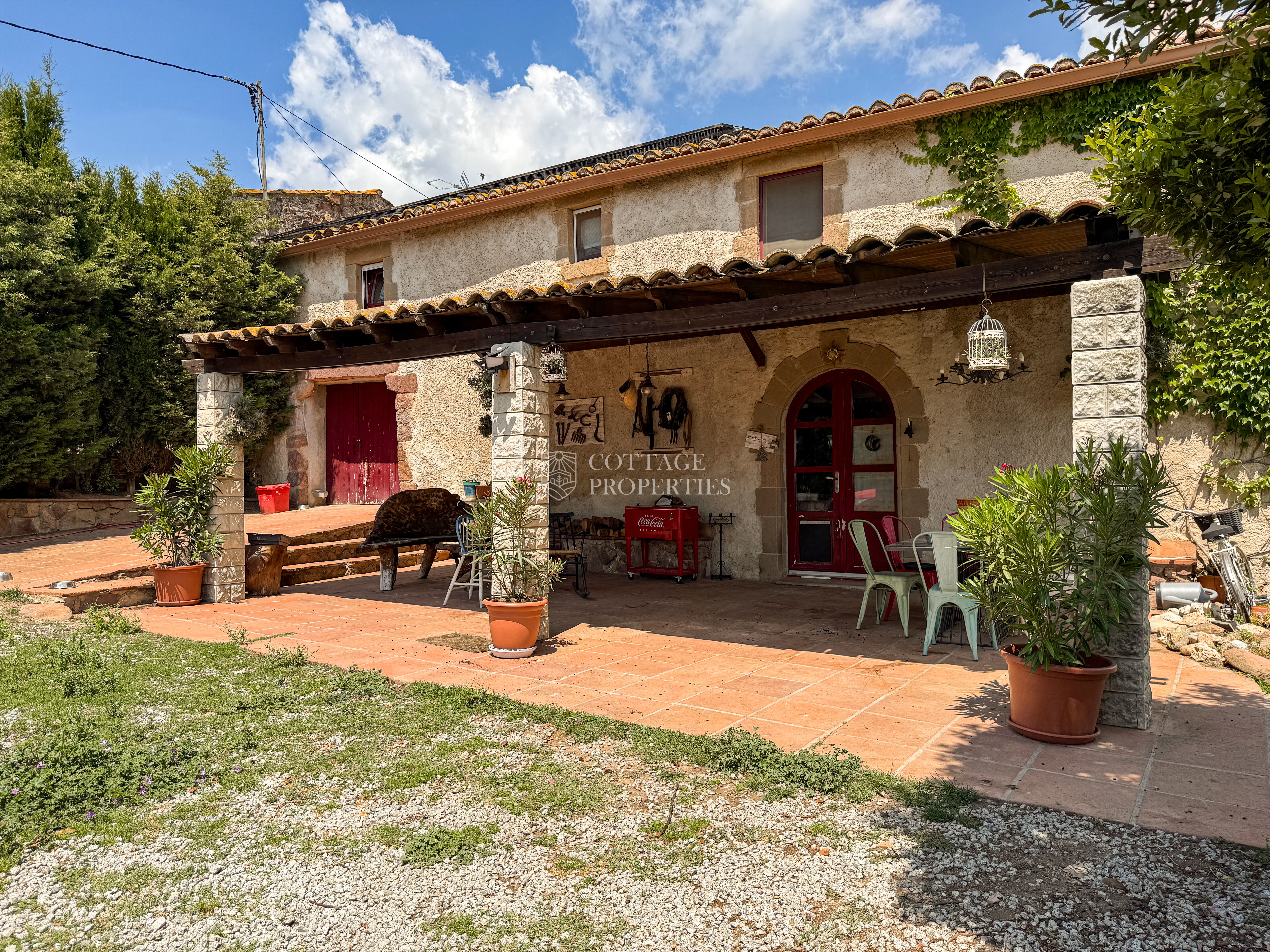 Great opportunity
Ref 3023 720.000 €
Great opportunity
Ref 3023 720.000 €Country house for sale in Santa Eulàlia de Ronçana, Vallès Oriental, Barcelona
- 3 Beds
- 2 Baths
- 234m² Built size
-
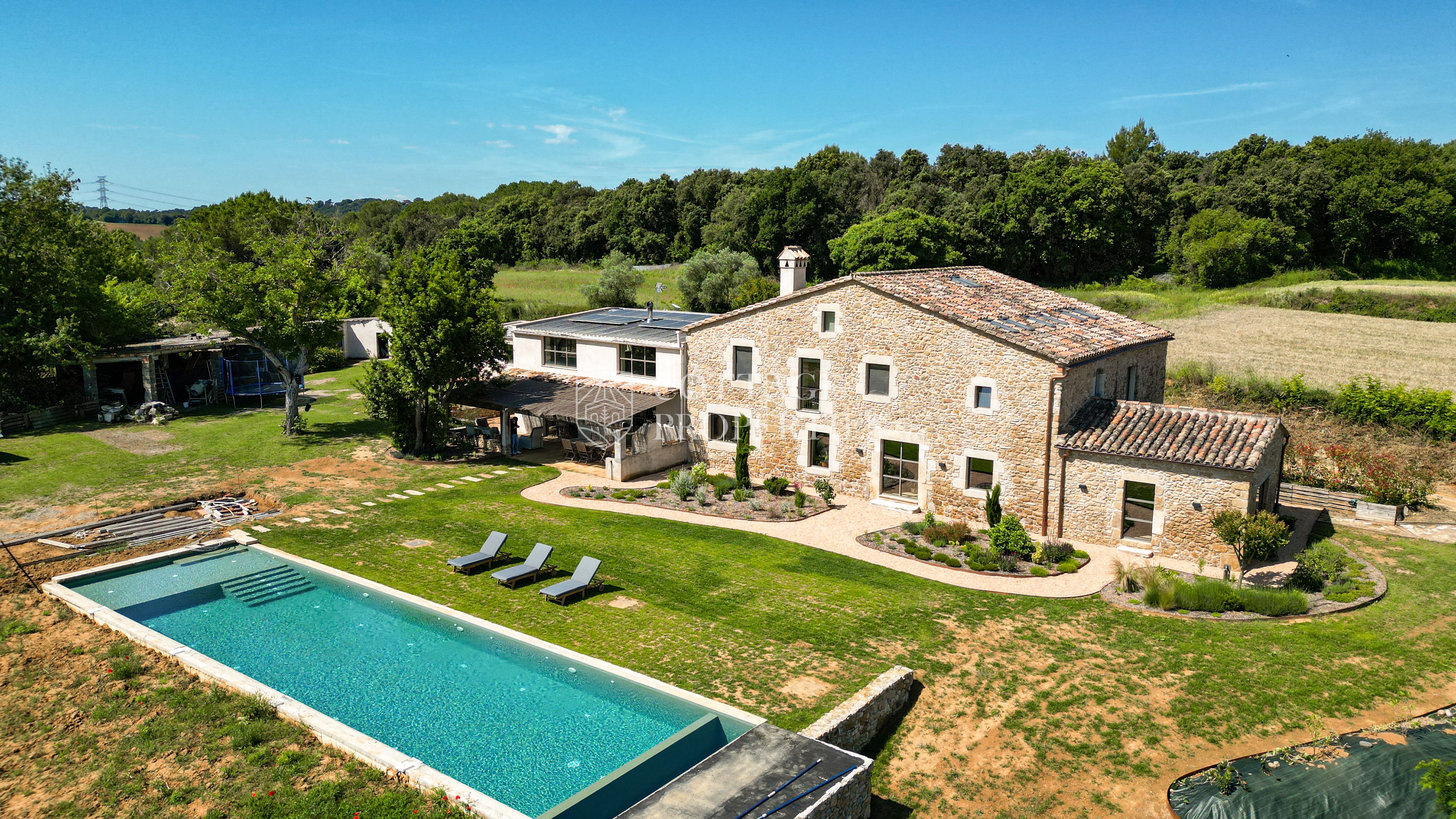 Selected
Ref 3022 2.300.000 €
Selected
Ref 3022 2.300.000 €18th century farmhouse for sale in Cornellà del Te
- 4 Beds
- 4 Baths
- 574m² Built size
-
 Selected
Ref 3021 850.000 €
Selected
Ref 3021 850.000 €Masia del siglo [año] en venta en Cruïlles, Monells i Sant Sadurní de l'HeuraBaix EmpordàGirona.
- 4 Beds
- 250m² Built size
-
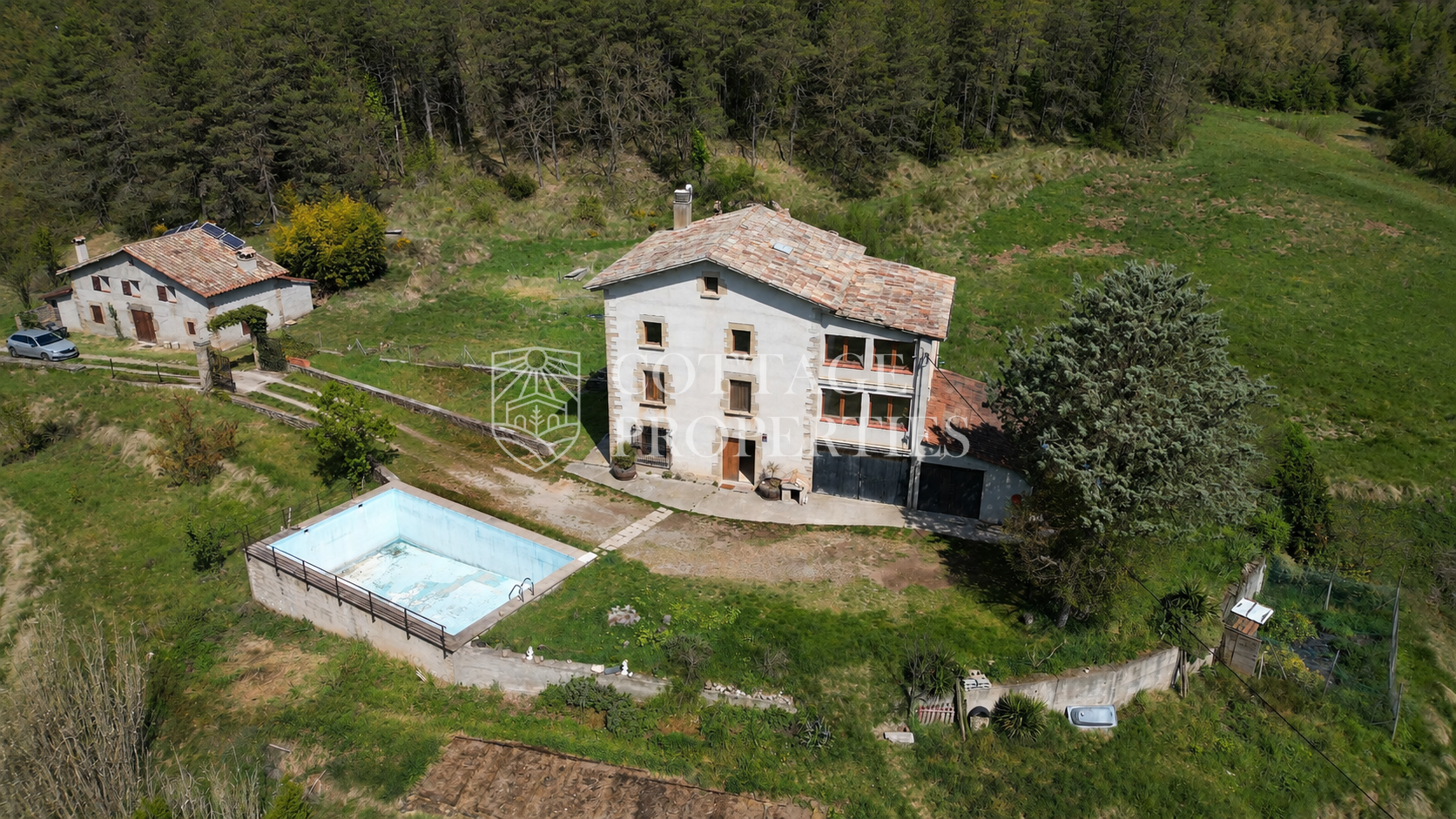 Ref 3020 480.000 €
18th century farmhouse for sale in Sora, Osona, Barcelona
- 6 Beds
- 2 Baths
- 589m² Built size
- 500m² Floor size
-
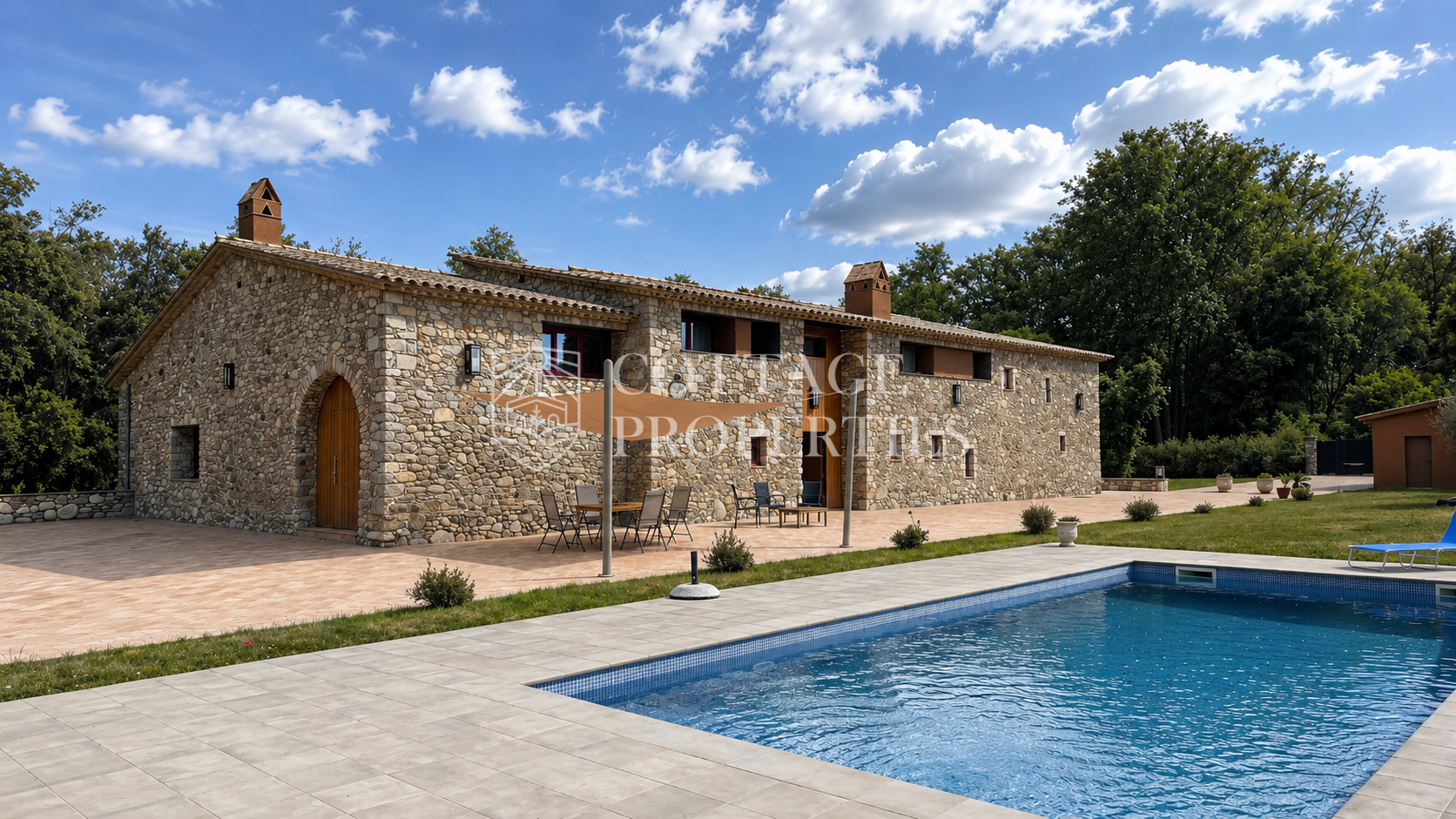 Ref 3019 1.695.000 €
Country house from the 1700s for sale in Cellera de Ter, La Selva, Girona
- 6 Beds
- 5 Baths
- 800m² Built size
-
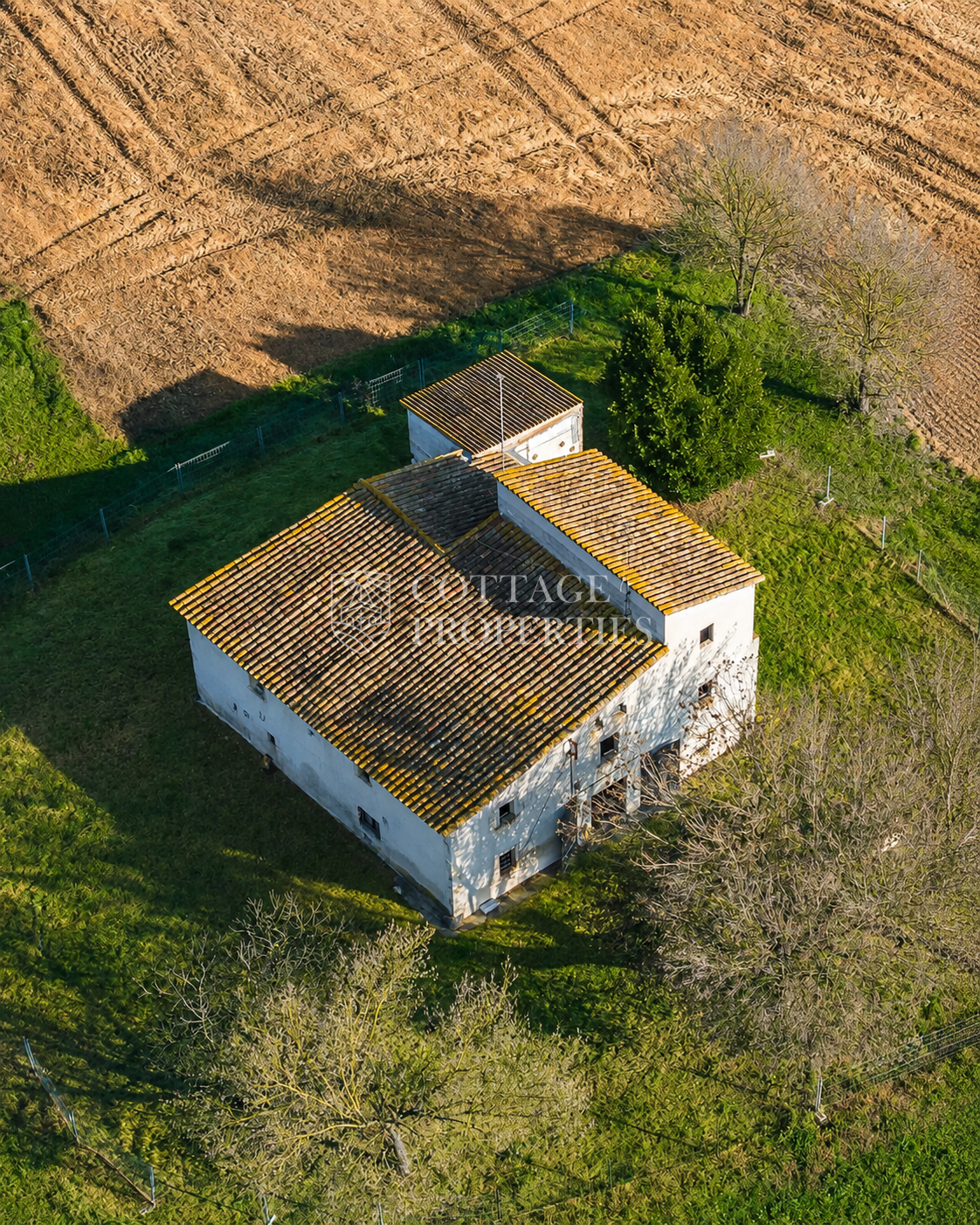 Ref 3017 590.000 €
Farmhouse in Caldes de Malavella, La Selva, Girona
- 6 Beds
- 5 Baths
- 500m² Built size
- 490m² Floor size
-
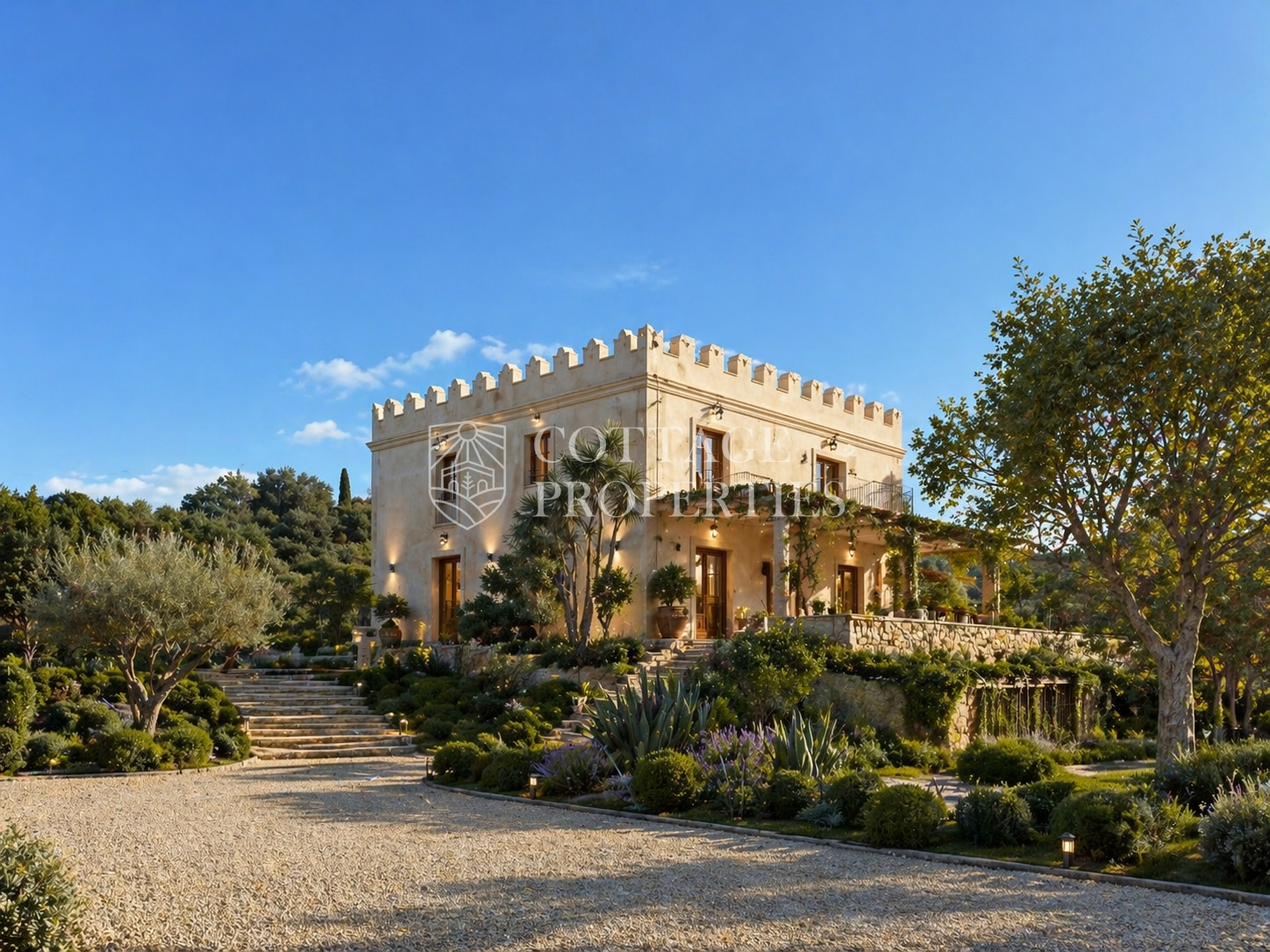 Ref 3007 735.000 €
Rustic property for renovation in Canet de Mar, Maresme, Barcelona
- 4 Beds
- 3 Baths
- 298m² Built size
-
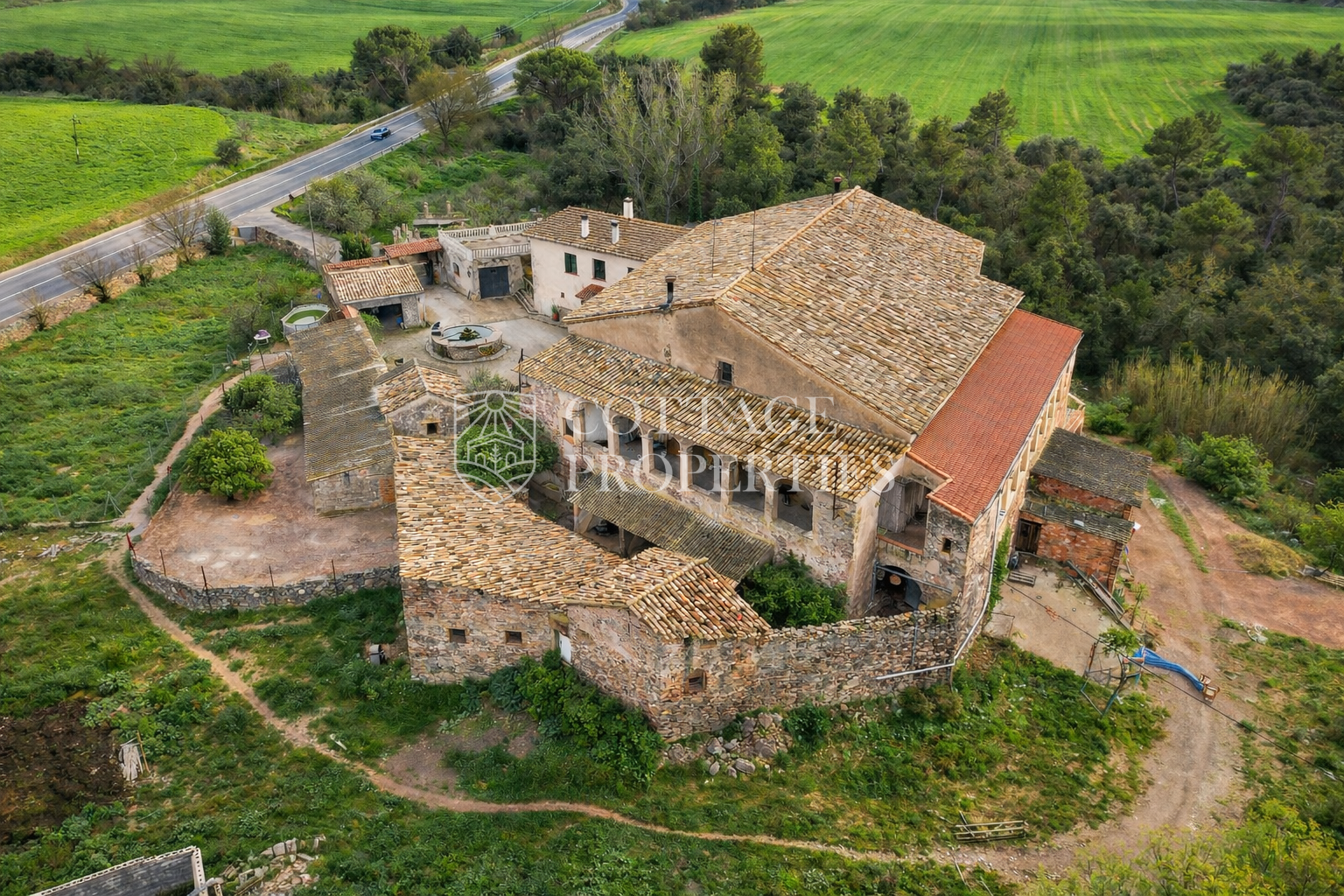
-
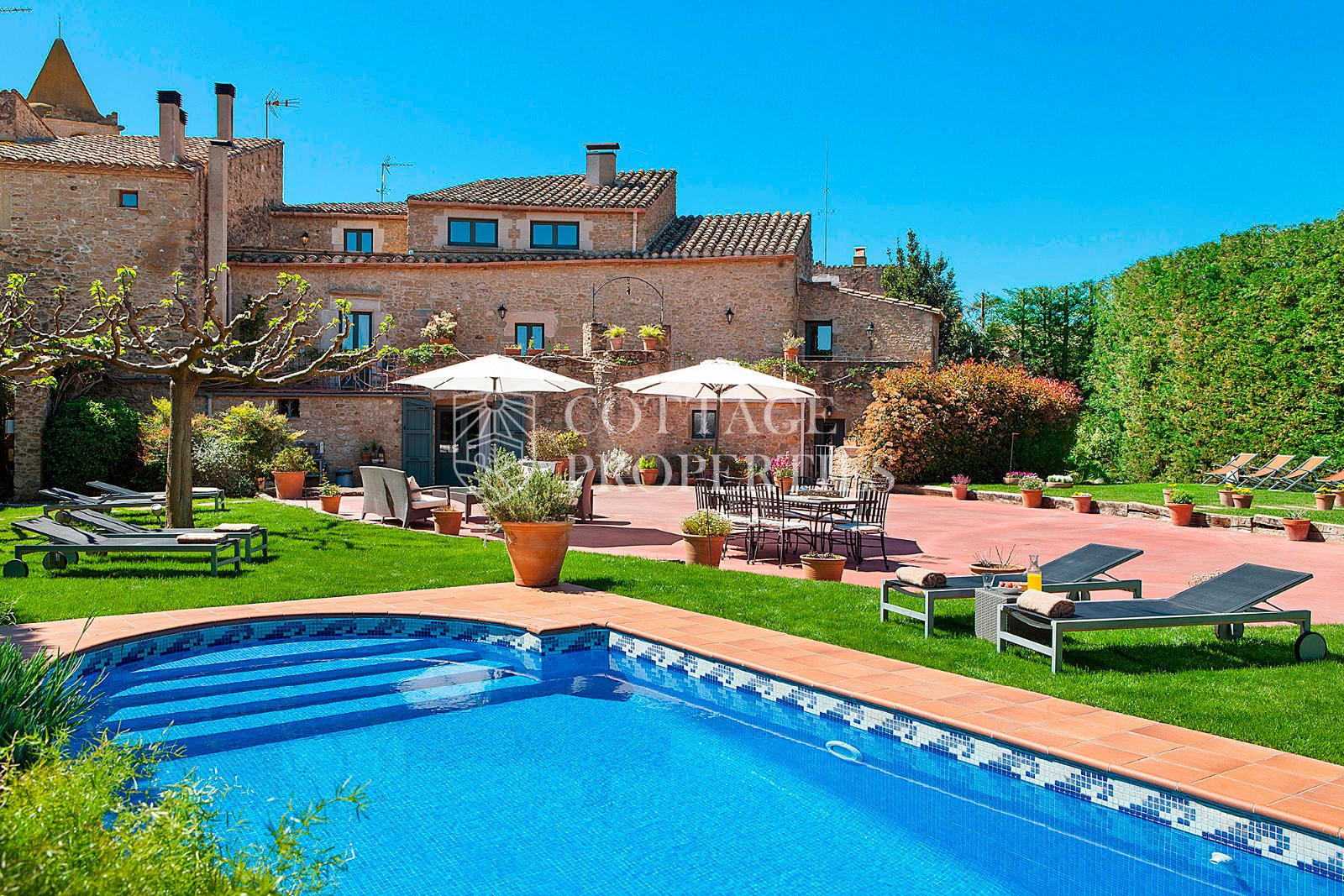 Selected
Ref 2255 2.600.000 €
Selected
Ref 2255 2.600.000 €17th century farmhouse with possible hotel for sale in Gironés-Baix Empordà
- 10 Beds
- 10 Baths
- 612m² Built size
- 600m² Floor size
-
.webp
) Ref 2287 1.495.000 €
Ref 2287 1.495.000 €20th-century Masia for sale in Torroella de Fluvià, Alt Empordà, Girona
- 8 Beds
- 9 Baths
- 602m² Built size
-
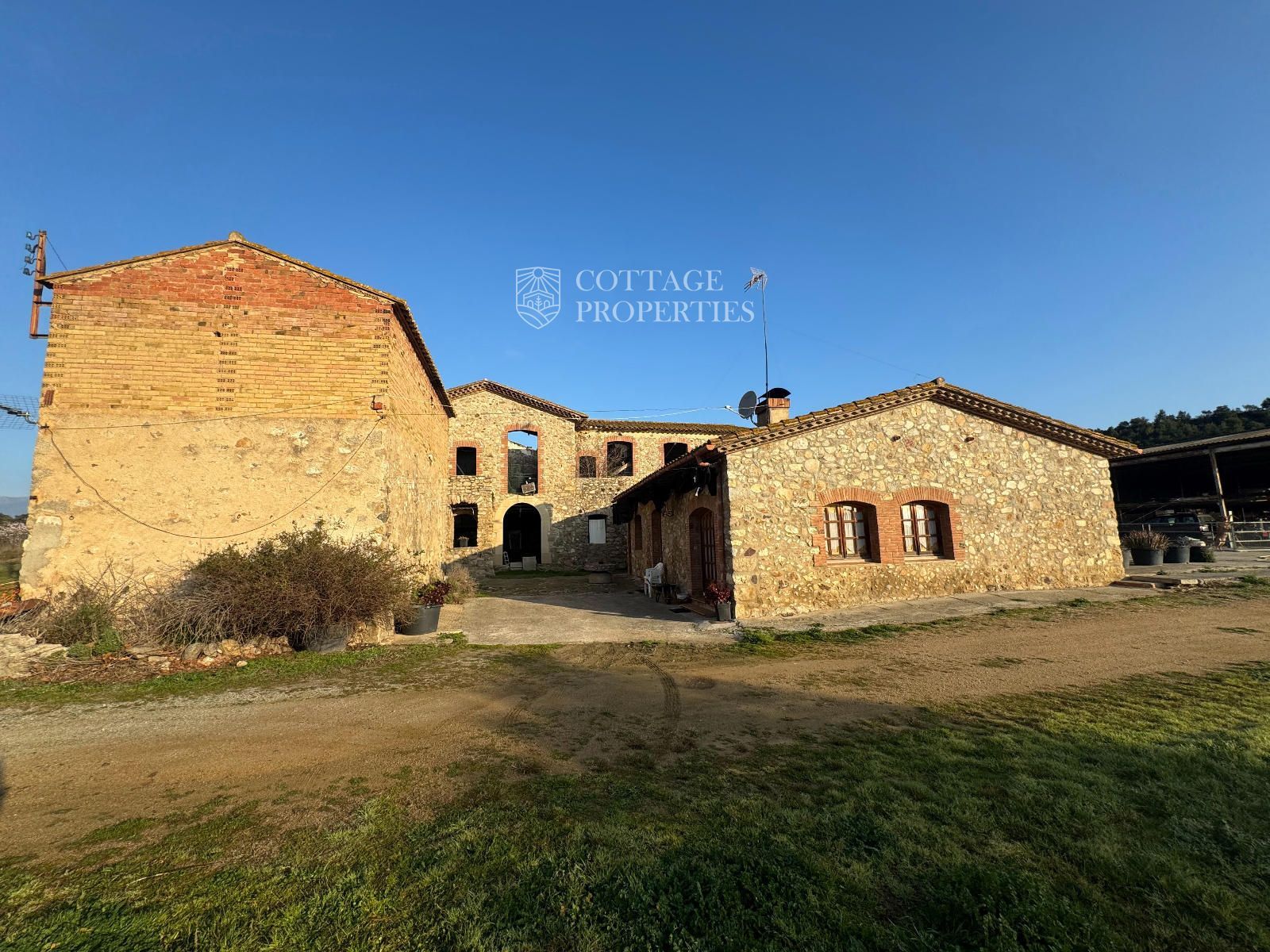 Ref 2284 990.000 €
Farmhouse with 46 hectares and several buildings for sale in Darnius, Alt Empordà, Girona
- 2.400m² Built size
-
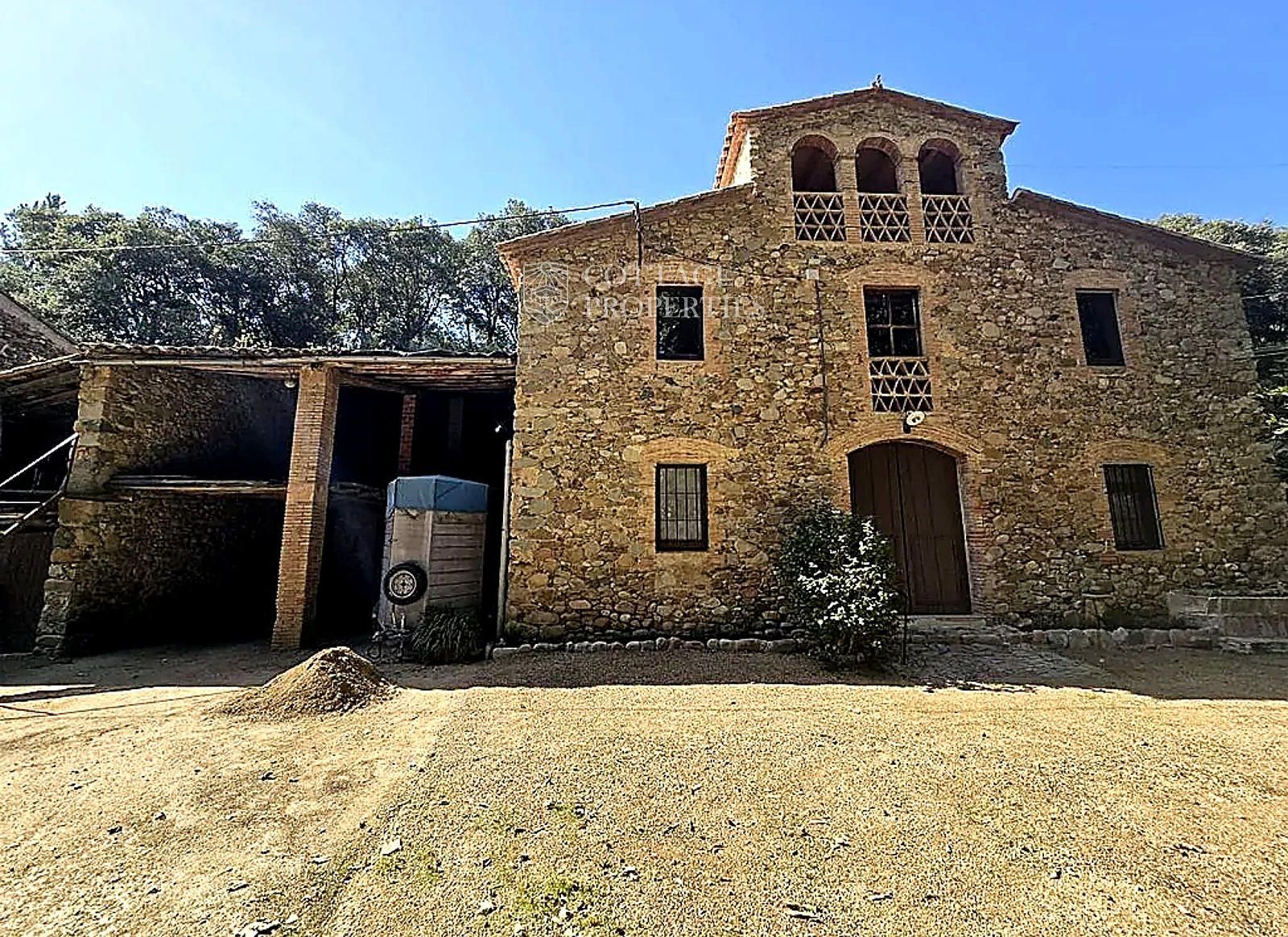 Ref 2285 650.000 €
20th-century farmhouse for sale in Sant Gregori, Gironès, Girona
- 5 Beds
- 2 Baths
- 590m² Built size
Types of country house for sale in Catalonia
Cottage Properties are a real estate agency that specialises in rural heritage properties in Catalonia. We have a large portfolio of country houses (around 160, at the time of writing), 30 years of experience of working in this industry and specialise in both country houses and luxury properties.
In Catalonia, we currently have country houses in our portfolio of the following varieties:
Country estates with land
Historic masias
Abandoned farmhouses
Luxury country houses with swimming pools
Village houses to renovate
Country houses with sea views
Historic castles with forests and meadows
If you’re looking for different kinds of properties, feel free to browse our pages for masias for sale in Catalonia, luxury houses for sale in Catalonia, village houses for sale in Catalonia or castles for sale in Catalonia.
Locations of our country houses for sale in Catalonia
Our portfolio spans the whole of Catalonia, which includes the provinces of Barcelona, Girona, Lleida and Tarragona. As such, prices and some of the characteristic features of these properties vary.
Please find below all of the country houses listed for sale in each of the following provinces:
Within the province of Girona, we also have pages on which all of the country houses for sale in each of the following countries (comarcas) are listed:
Within the province of Barcelona, we also have pages on which all the country houses for sale in each of the following counties (comarcas) are listed:
If you’re looking for other property types in Catalonia, feel free to browse the following pages:
Still haven’t found the country house you want to buy?
Perhaps you have a specific kind of property in mind that you haven’t found in our database, or you’re looking for a property in a specific location. Not to worry, we can help you to find your dream home through one of the following two ways:
Through our extensive off market portfolio
Through our vast network of local contacts
Indeed, many sellers choose not to list the property they are selling online for a number of reasons.
Some don’t want the attention and prefer to operate with greater privacy in such matters, for instance, if they have a high profile. Alternatively, if it’s an expensive property (over a million) they might just prefer to only share the details of the sale with a select few.
For example, in our off market portfolio, we have many luxury estates, historically significant castles and estates and exclusive properties in high demand areas, such as along the coast.
If none of these properties match what you are looking for then we can ask our large and trusted network of local contacts and real estate agents. Indeed, sometimes they might know about properties that have yet to go on the market or if someone is planning on moving out soon.
Another reason that many want to buy through us is because of our in-house renovation team or our free conveyancing support, as well as our due diligence and decades of experience in the rural real estate market in Catalonia, especially in terms of luxury properties worth over a million.
Feel free to contact us about our exclusive, off market portfolio of luxury rural properties.
Tell us exactly what it is you’re looking for here and we’ll help you make your dream come true.
Common issues when buying a country house in Catalonia
Around 9 in 10 country houses in Catalonia need some rehabilitation work
Across the whole of Catalonia, 22,967 masias are listed in municipal records. We arrived at this figure after diving into the masia catalogues (catàlegs de masies) from 417 (out of 947) municipalities in Catalonia.
While the real figure is likely to be much higher, this is the most accurate figure available and, as far as we’re aware, it is the first time a figure for the total number of masias has been published since the population census of 1860.
In our years of experience, nine out of ten country houses will need some rehabilitation work.
Seeing as a property can only be considered a masia if it was built before 1950, naturally many of the country houses and masias listed in our portfolio will require some work.
Some of the common issues faced by people wanting to renovate a country house in Catalonia include things like:
If the property is in a remote area within limited infrastructure, access can be a problem, in terms of transporting materials required for the renovation, as well as getting all the necessary tools and labour etc.
Many stone walls are often damaged and will require some renovation work.
Dampness is often a huge issue in older country houses, requiring intense work.
Cottage Properties is the only real estate agency that specialises in the sale of country houses and masias that has its own team of experts used to the rehabilitation of these types of structures.
That’s why we can offer all our buyers a free service where one of our in-house surveyors will be happy to accompany you to your desired property and write up a basic rehabilitation proposal, so that you can have the confidence of understanding how much any work might cost before you commit to buying a property.
Please don’t hesitate to contact us, should you have any more questions about this free service we offer to all our customers.
Urban planning & legal due diligence issues in Catalonia
Most country houses stand on rural land (sòl non-urbanitzable, in Catalan), rather than urban land (sòl urbanitzable). On urban land (suelo urbano, in Spanish), property owners generally have the right to build, within local ordinances. On rural land (suelo rustico), generally one only has the right to restore or maintain existing structures of historical or agricultural value.
As such, when buying a country house in Catalonia, the deed isn’t everything and you’ll need to know about its Urban Classification. If a property isn’t listed in the local register of recognised rural buildings (Catalegs de Masies), getting a renovation permit can be nearly impossible.
Once a property is listed in the catalogue, rules are usually set regarding what one can or cannot do to a property. For example, in some towns you can renovate an existing structure but you can’t extend it, while in others you can only renovate inside but have to leave the exterior intact, so as to best preserve its heritage value.
If you’re interested to see if the property you’re interested in is listed or want to learn more about planning permission, feel free to visit our blog post in which we collected over four hundred Cataleg de Masies, in which were listed over 22,000 masias.
Fortunately, at Cottage Properties, we have our own in-house solicitor, who will check your desired property’s documentation and ensure the sale can go ahead without any nasty surprises further down the line. Indeed, like our in-house surveyor, this service is also offered free of charge to our valued clients.
Below are some of the ‘red flags’ investigated by our team during the purchase process:
Nota simple discrepancies: The legal record from the Registro de la Propiedad (land registry) may not match reality, with differences in ownership, size or registered buildings. This can lead to uncertainty over what you’re actually buying and whether any debts or charges are attached.
Certificat d’Urbanisme: This document from the local town hall defines what you’re legally allowed to do with the property, especially on rustic land. Restrictions can limit renovations, extensions, or use (e.g. holiday rentals), which may affect your plans.
Water rights and well legality: Rural properties often rely on wells or private water sources that must be properly registered with authorities like the Confederación Hidrográfica del Ebro (Ebro river basin authority). Illegal or unlicensed water access can result in fines, usage limits, or even loss of supply.
Catastro vs Registro discrepancies: Differences between the Catastro (tax record) and the Registro (legal record) are common, particularly in rural areas. Resolving mismatches in land size or buildings can be time-consuming and costly.
Unregistered extensions: Parts of the property – such as extensions, converted barns, or pools – may not be legally registered. This can create problems with mortgages and resales, or even lead to difficulties legalising the structures.
Cédula de Habitabilidad: This occupancy certificate is required to legally live in or rent out a property and to contract utilities. Without a valid one, you may face restrictions on habitation or need to carry out upgrades to meet minimum standards.
Agricultural and forestry easements: Rural land may be subject to rights of way or usage by others, such as shared access tracks or farming rights. These can limit your control over the property and create ongoing maintenance or access obligations.
Inmatriculación: Some older properties may never have been formally registered in the land registry, requiring a legal process to establish ownership. This can delay a purchase and introduce risks around title clarity.
Feel free to contact us if you’re interested in learning more about what our in-house team of solicitors can offer.
Identifying true investment potential can be challenging
In Catalonia, country houses are a ‘finite asset’. Unlike modern villas, there’s a hard cap on the number of historical properties in Catalonia. This scarcity drives long-term value.
Cottage Properties consults for Family Offices, Private Equity Syndicates and REITs (Real Estate Investment Trust; ‘SOCIMI’ in Spanish), looking to diversify into ‘alternative living’ and ‘heritage hospitality’ assets.
As such, we have a lot of experience in these areas and have found the below to be some of the most profitable conversion paths chosen by property buyers in Catalonia:
Boutique and rural hotels: Many clients choose to convert heritage estates into high-ADR (average daily rate) lodging, often making use of an existing HUTG (Habitage d’Us Turistic, a tourism license for Catalonia).
Agritourism: Many country houses come with vineyards or olive oil pressing facilities (or can be adapted to include these) and these can provide opportunities for buyers of these properties to produce their own goods for sale and to offer tours or other kinds of experiences for people who want to learn more about agriculture or to stay on authentic farm or vineyard, for example.
Wellness and corporate retreat centers: Large-scale masias are a great choice for ‘togethering’ (groups seeking a single secure roof) and high-end corporate off-sites.
Event and gastronomy venues: Other clients choose to capitalise on the region’s reputation for high quality food by creating venues for destination weddings and ‘farm-to-table’ dining experiences.
Luxury ‘legacy’ rentals: These kinds of rentals cater to high-net-worth families seeking mid term stays (three to six months) with full-service management (private chefs, concierges and high-speed fiber connectivity for digital executives).
Please don’t hesitate to get in touch should you want more investment advice from us at Cottage Properties.
What issues might you face in terms of ensuring a clean, safe and reliable water supply?
One question often asked by our clients who choose to buy properties in remote areas is whether or not they might be able to ensure access to a clean, safe and reliable water supply.
Ensuring a safe, clean and reliable water supply when buying a country house is possible, but not something you can assume without checks and investment. While mains-connected properties are usually straightforward, many rural homes rely on private wells or springs, where water quality is not automatically controlled and testing and filtration is often needed. This is important because smaller, private water supplies often fail to meet full drinking standards, so ensuring potability typically requires active management.
The biggest challenge perhaps is reliability, due to the region’s highly variable water availability. Catalonia recently experienced one of its worst droughts on record, with reservoir levels falling to 14% of their normal levels on average in early 2024, according to a recent study by NASA. This led to the local government announcing a drought emergency and triggering restrictions which affected millions of people. Although levels have since recovered (rising above 80%, in 2025, after heavy rainfall), this volatility underlines the risk for rural properties dependent on local sources.
In practice, buyers can secure a dependable supply, but usually only by verifying legal water rights, testing the source and installing storage or backup systems – rather than relying solely on existing infrastructure.
About Cottage Properties
Cottage Properties is the leading real estate agency in Catalonia, specialising in masias for sale.
For over 30 years, we have been helping national and international buyers find, restore and preserve some of the country's most iconic rural properties.
Our co-director, Àngels Sabater, is one of the most recognised voices in the rural real estate sector in Catalonia. Her career has been highlighted in media outlets such as TV3, where she appeared alongside the buyers of the famous Can Morgat estate in Pla de l'Estany, as well as on Canal Decasa, where she presented the renovation of Mas dels Arbres, a project located in the Cap de Creus Natural Park. Our portfolio also appears in the national press, in publications such as The Olive Press and more.
Find out more about us here.
Visit a country house for sale in Catalonia
When you have found a masia in the Catalonia region that you would like to visit, you can fill in the form on the property details page to request a viewing. Within one working day, one of our agents will contact you to arrange a date.
If you want to speed up the whole process, it might be worth providing us with things like your budget, ‘must haves’, timings and your preferences for wanting to buy a property that can be lived in right away or if you’re ready to embark on the adventure of renovation.
For further information, please call our office on 627 41 95 99 or request a consultation on our contact page.